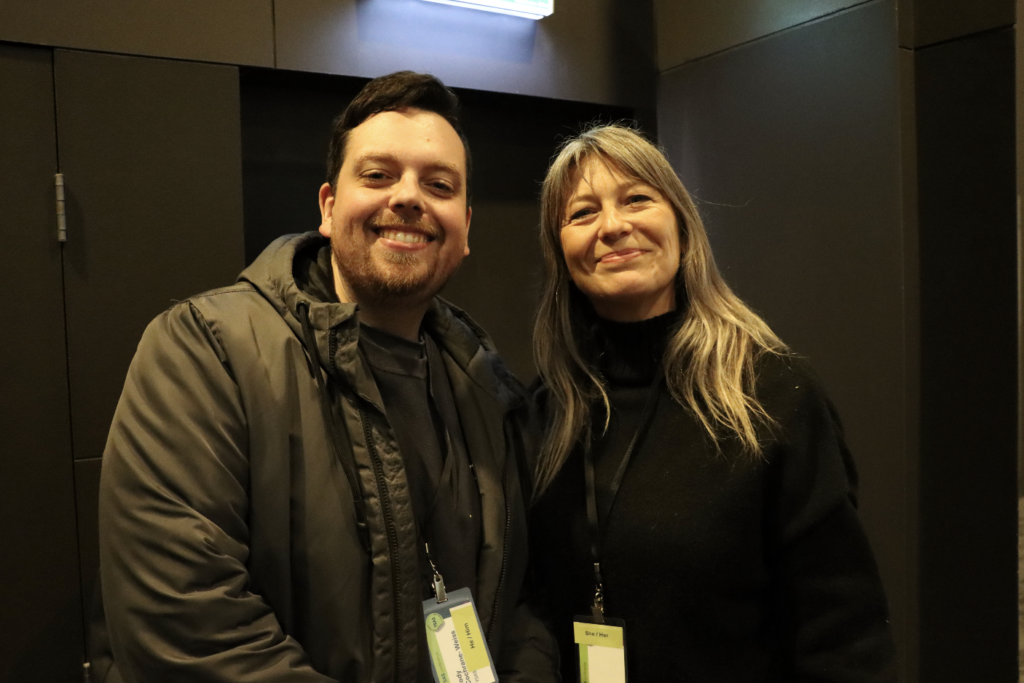
Practice that makes a difference: Learnings from the YSAS Conference 2026
“What does it mean to do work that genuinely makes a difference for young people?“
That question was a key theme of last Wednesday’s YSAS Conference, Honouring Our Work: Practice That Makes a Difference for Young People.
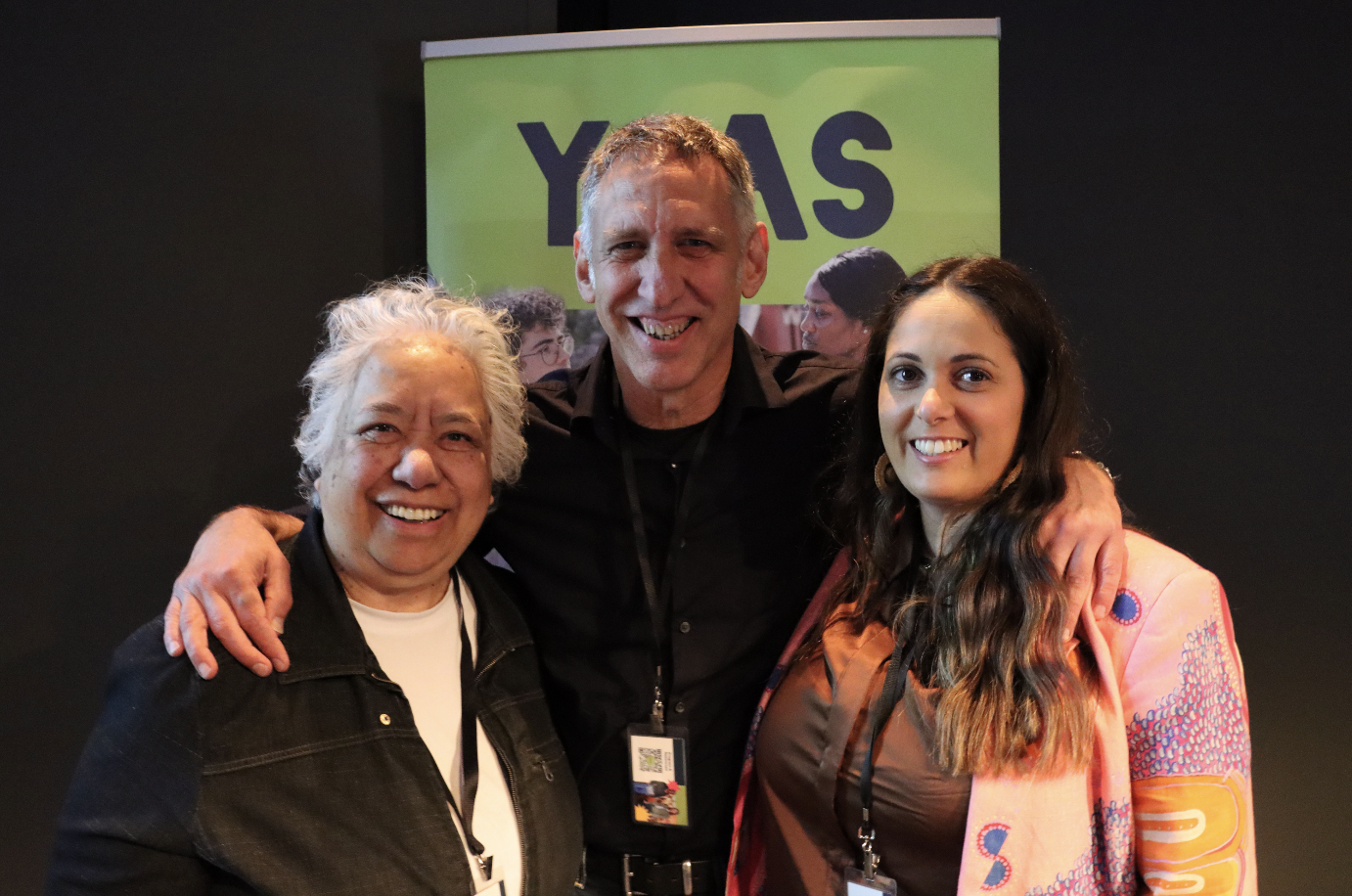
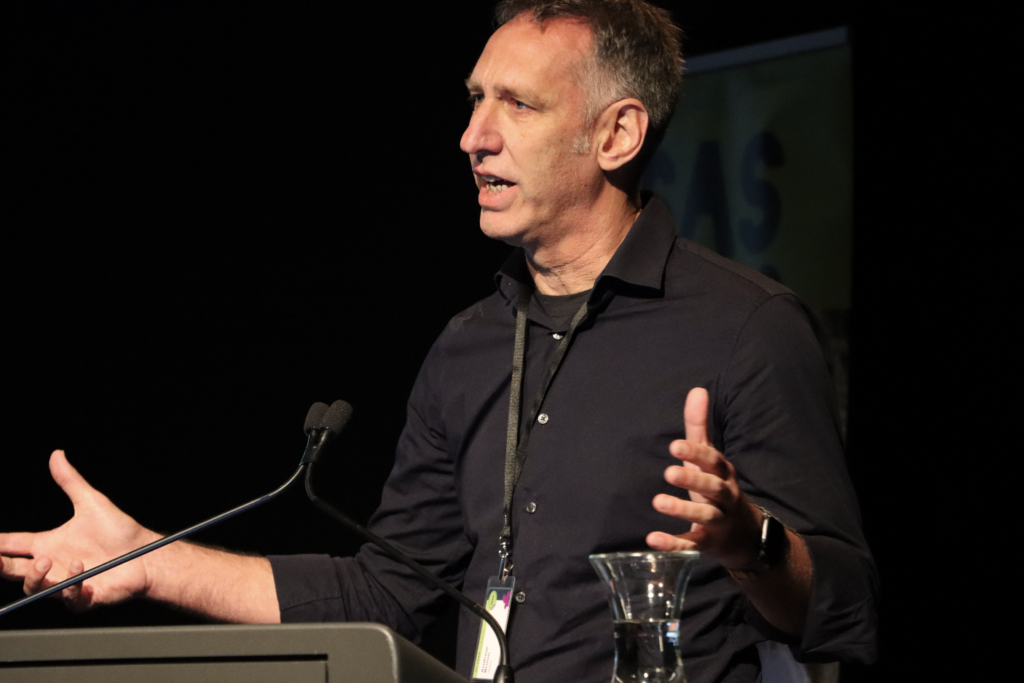
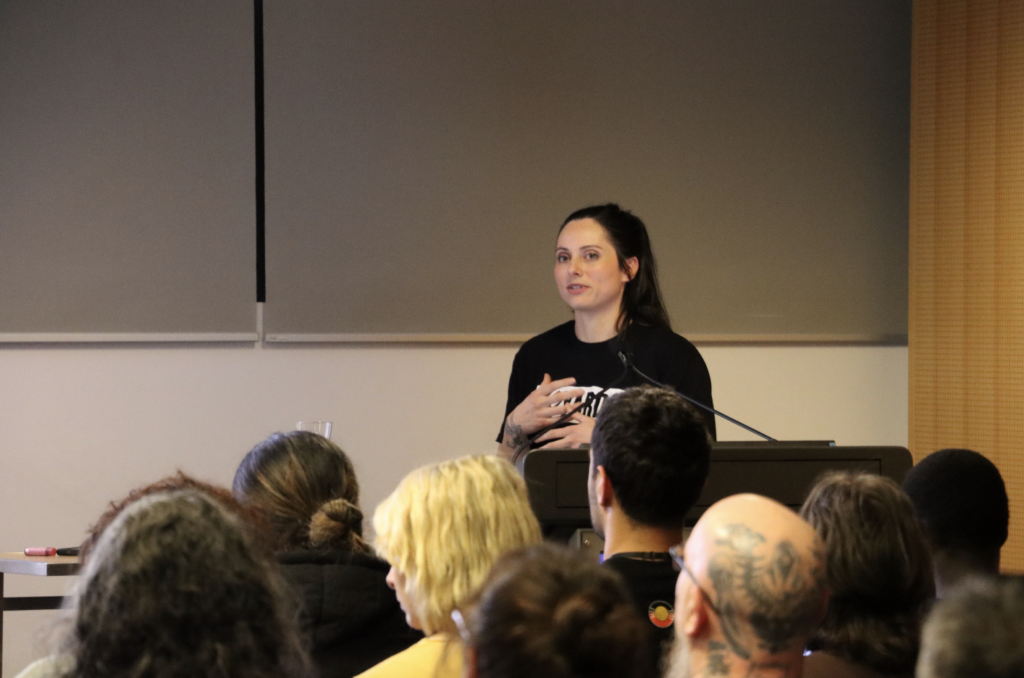
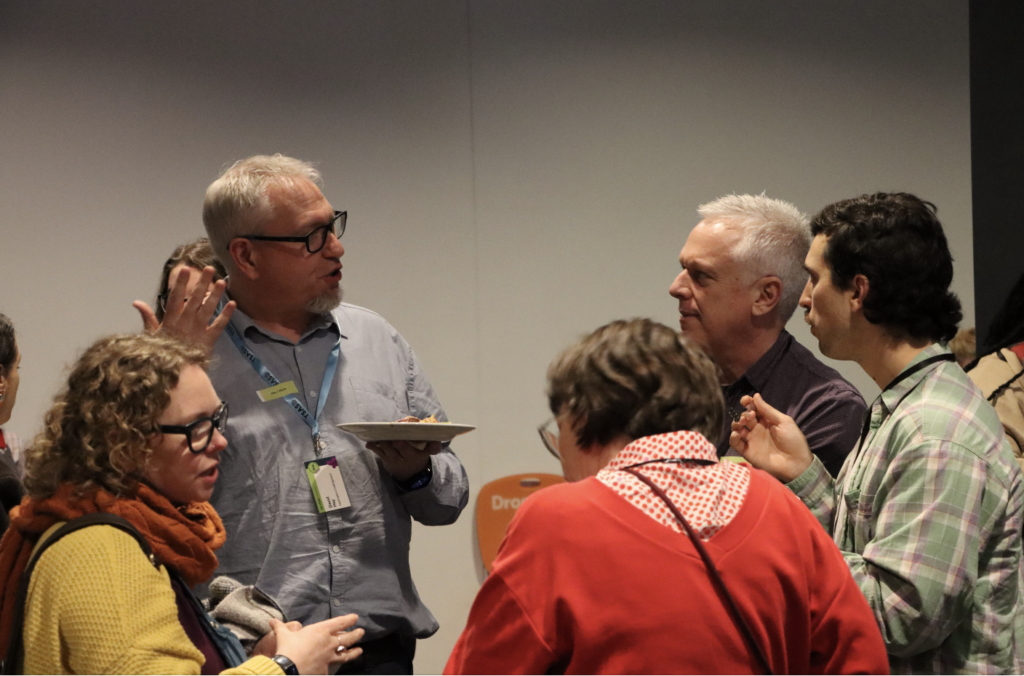
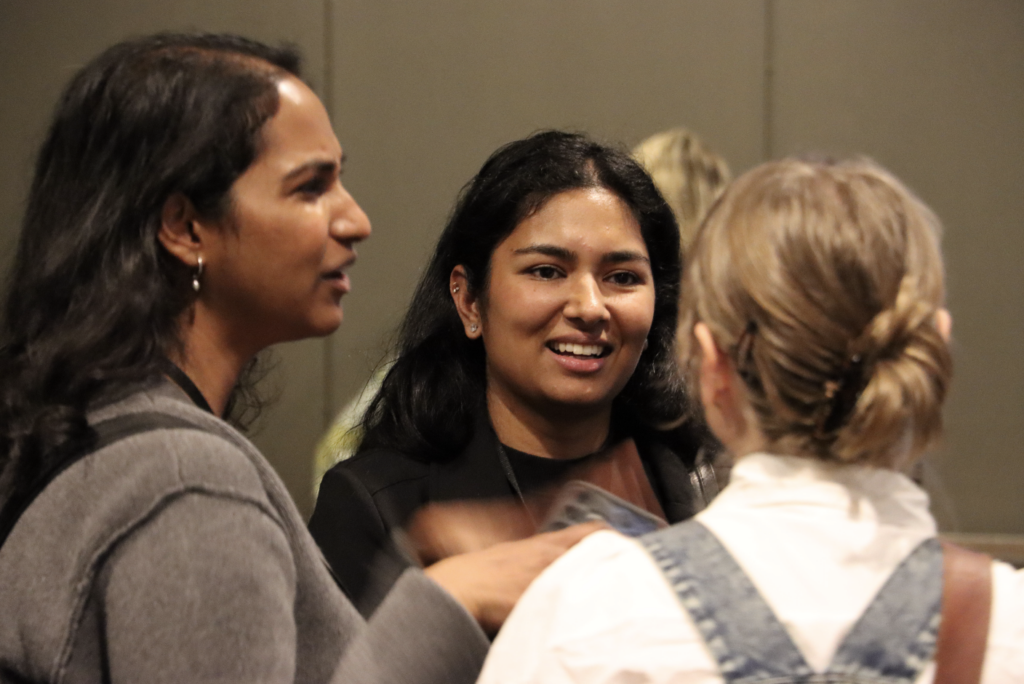
Across a day of keynote addresses, presentations, panels and practical workshops, we came together to consider what it takes to put young people’s voices, experiences and strengths at the centre of practice.
The day began with a Welcome to Country from Wurundjeri Woi-wurrung Elder Uncle Bill Nicholson who shared knowledge of Country, community, language and culture, and the importance of keeping this knowledge alive for future generations.
In her opening address, Maggie Toko AM, Interim Commissioner at the Mental Health and Wellbeing Commission, reflected on her lived experience and the importance of recognising lived experience as expertise:
“Being a lived experience worker is saying I deserve to be heard.”
Maggie described trauma as “carrying a suitcase around your neck, with the zip left open,” and emphasised that youth workers cannot take these suitcases away, but can support young people to regain control and reclaim their power.
Keynote speaker Bonnie Dukakis, CEO of the Koorie Youth Council and a proud Gunditjmara woman, explored what happens when young people take the time, and sometimes the risk, to share their lived experience with us.
“Practice does not happen in a vacuum. It exists inside systems.” Bonnie challenged us to consider who our systems work for, and who they may unintentionally leave out.
She also reminded us that “a young person’s caution may reflect wisdom and experience, rather than disengagement”.
Young people shared their experiences of having genuine influence over the services, projects and decisions that affect them, during the Youth Participation in Action presentations and panels. They challenged workers and leaders to think about what it really means to share power.
“How can workers sit back and let young people take the wheel?” and that if we say we want young people to lead, we need to be prepared to “let them actually drive”.
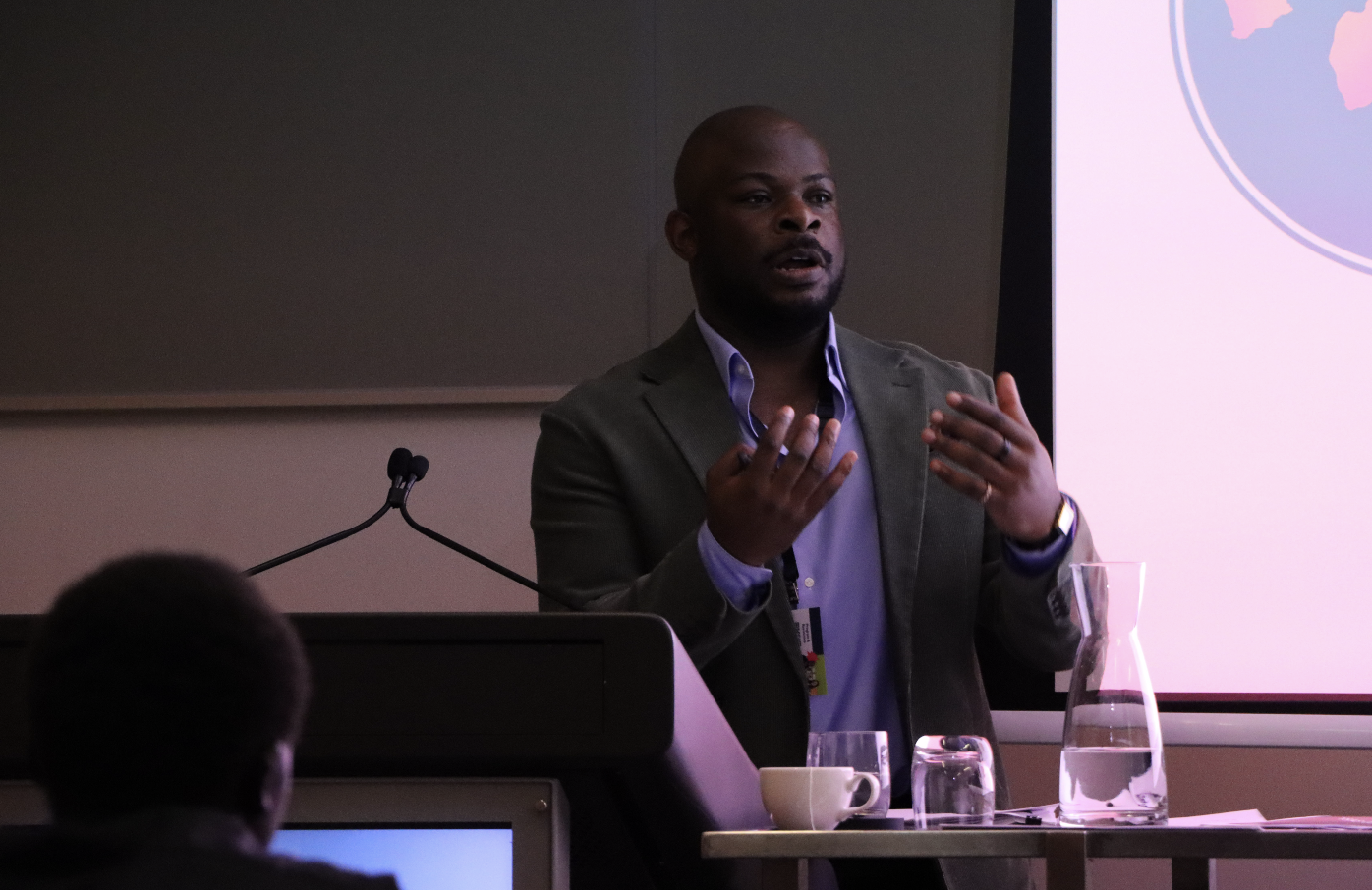
Dr Haslam’s session, Beyond Awareness: Inclusive Approaches for Young People with ADHD and ASD, challenged colleagues to rethink how we understand neurodivergence.
The session highlighted how systems built around narrow ideas of “normal” can create or intensify difficulties, encouraging a shift from “what is wrong?” to “what does this young person need, and what are their strengths?” It also explored practical adjustments to reduce masking and make support more accessible.
The conference highlighted YSAS’ commitment to lived and living experience through the LLEW Framework, co-designed with young people and YSAS employees to recognise, support and strengthen lived and living experience expertise across the workforce.
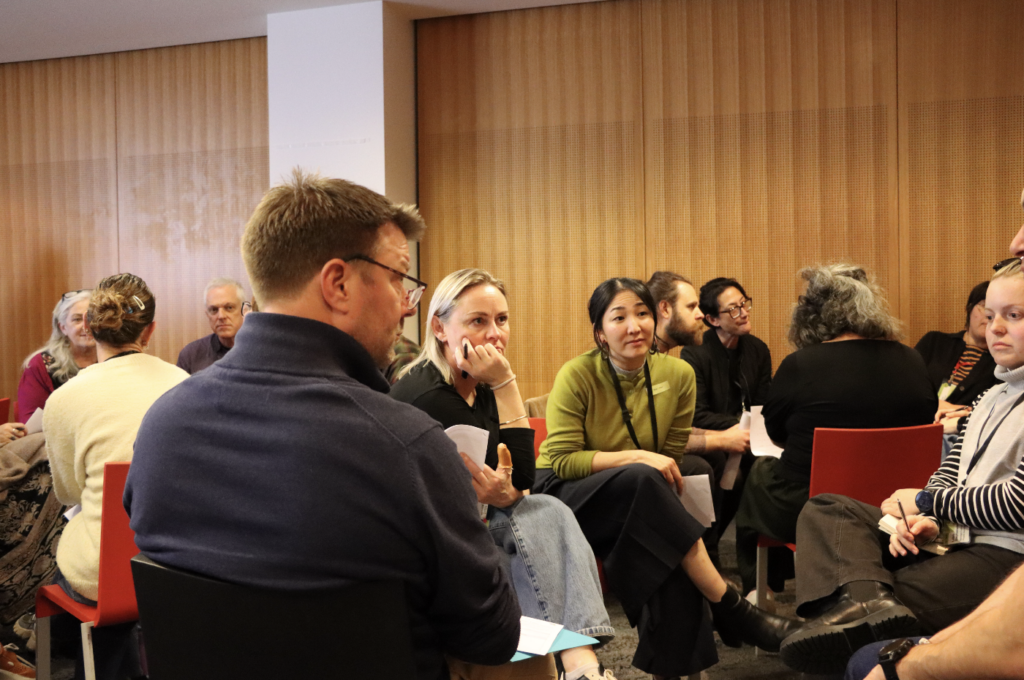
The afternoon program gave colleagues the opportunity to take these themes into more specific areas of practice through four concurrent workshops:
- AAFRO‘s Ubuntu Cultural Training: explored Ubuntu as a way of being and relating to others, emphasising care and awareness of ourselves and those around us. The session encouraged practitioners to look beyond the individual and recognise the importance of family, community and broader social connections in shaping people’s experiences and wellbeing. It highlighted the role of culturally responsive practice in building respectful relationships, staying curious and understanding people within the contexts in which they live.
- Brief Casework in AOD Outreach, presented by YSAS and headspace, focused on shifting from longer-term treatment planning to asking, “What can we achieve today?” The session explored how brief interventions can provide immediate, meaningful support while enabling young people to lead decisions about their next steps, rather than waiting for the next stage or planning solely for ongoing therapy.
- Beyond Offending, presented by 16Yards, explored a forensic AOD lens that keeps the whole young person in view, recognising that support needs to consider the individual alongside their family, community and broader social context. Drawing on responsivity, culture, identity and context, and desistance theory, the session considered how change is gradual and non-linear, and how relationships, identity and real opportunities shape a young person’s pathway. Practitioners were also introduced to practical resources designed to support professional judgement.
- Harm Reduction in Action, presented with the Victorian Pill Testing Service and YSAS, explored the implementation of the Victorian Pill Testing Service and approaches to reducing substance-use-related harm in residential out-of-home care. The session explored the principles underpinning pill testing, including anonymity, confidentiality, autonomy, choice and judgement-free engagement, alongside credible, accurate and evidence-based information. This session also launched ‘Responding to Substance Use in Out-Of-Home Care: A Relational Safeguarding Approach’, which focuses on how relationships can be used to protect young people from harm while supporting their development. Read the full document here.
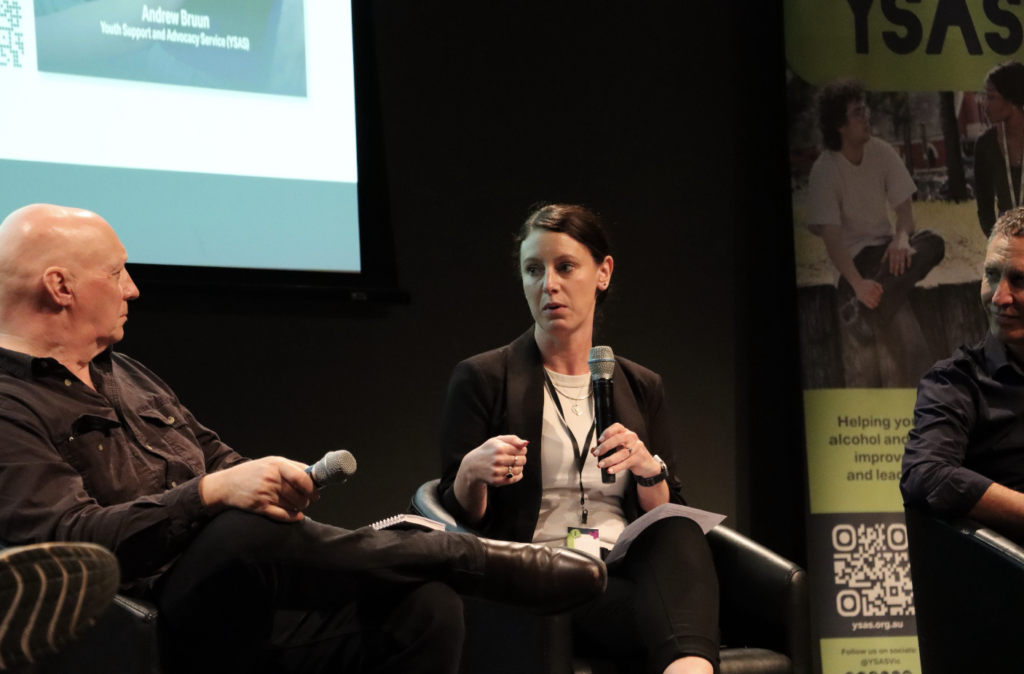
The Family Inclusive Practice Panel returned the focus to the relationships surrounding a young person and understanding family, carers, relationships, community and the broader circumstances shaping a young person’s life.
“To understand a young person, sometimes you need to understand what’s happening around them.”
The conference closed with reflections from YSAS CEO Andrew Bruun and an invitation to think about what happens next. Andrew launched 2025 YSAS Annual Report the Youth AOD Service System Blueprint, which builds on the findings of the 2025 Youth AOD Census, and provides contemporary insight into the needs and characteristics of young people accessing specialist Youth AOD services in Victoria.
Meaningful big change comes from small actions. Every conversation with a young person, every moment of listening, challenge of a system, adjustment to practice and opportunity to share power can make a huge difference.
When we listen to young people, recognise their expertise, hold hope when they cannot find it in themselves, and make services more inclusive and responsive, we create the conditions for young people to find their voice, take back their power and see new possibilities for their futures.
Thank you to everyone who presented, attended, and made the conference a memorable day.